My biggest concern is after-sales support. If a problem happens after the ride reaches Europe, how will it actually be handled?
After-sales should be designed before shipment.
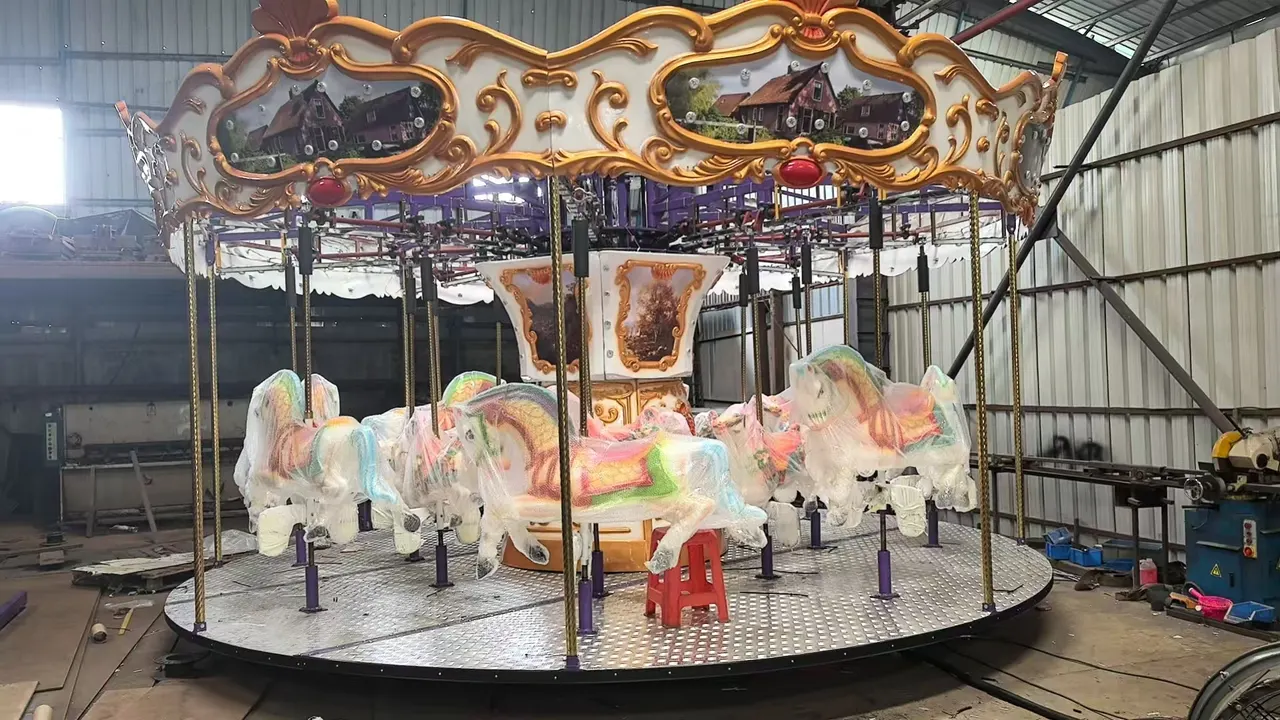
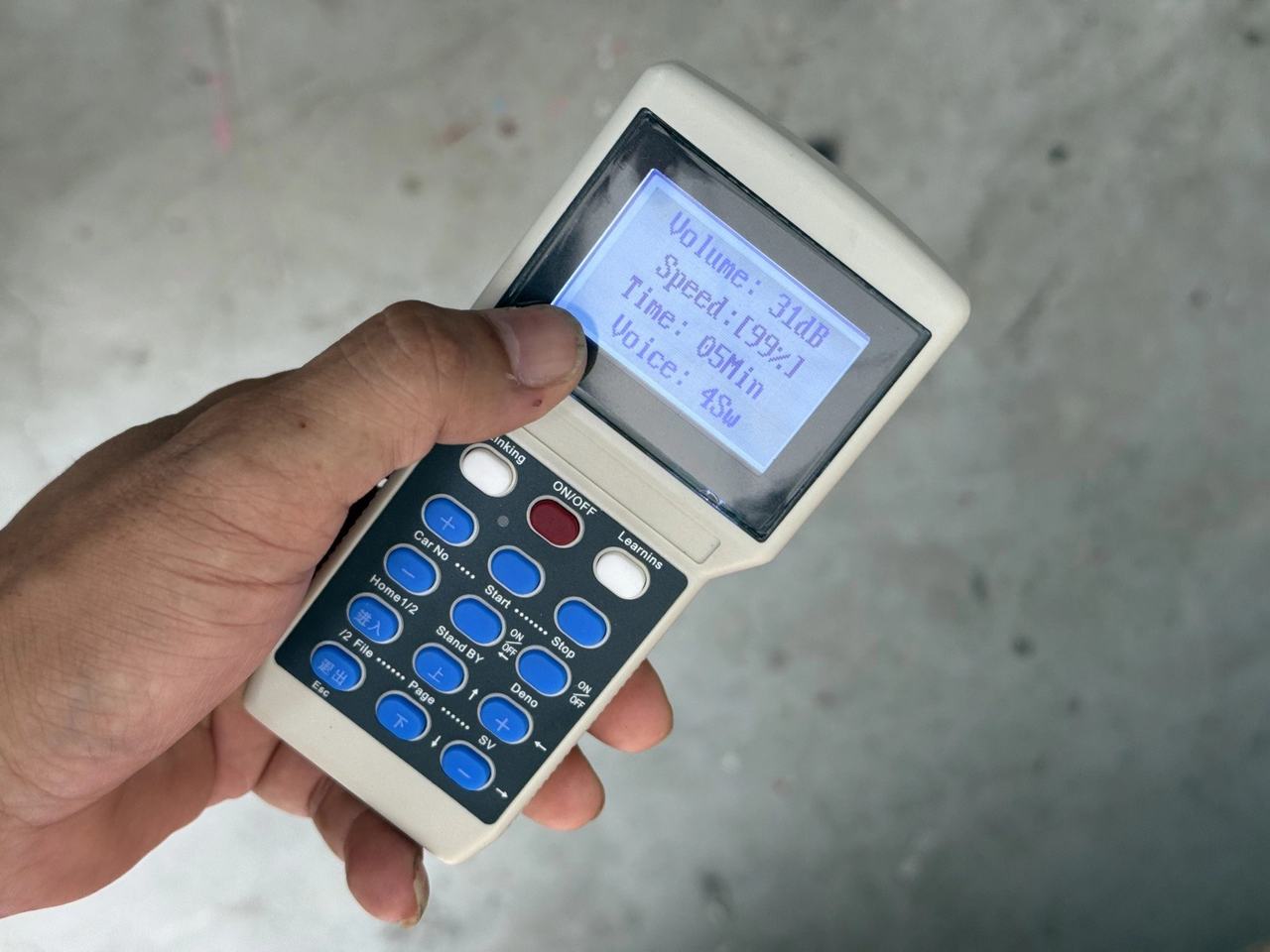
The strongest after-sales process starts with correct equipment identity, manuals, wiring information, spare-parts mapping and test records before the ride leaves the factory. When a fault occurs, remote diagnosis should quickly narrow the problem to operation, electrical control, sensor, drive or mechanical components.

Documentation is part of service
A buyer should know where to find the applicable manual, wiring information, component model numbers and maintenance procedures for the delivered configuration.
Remote diagnosis saves time
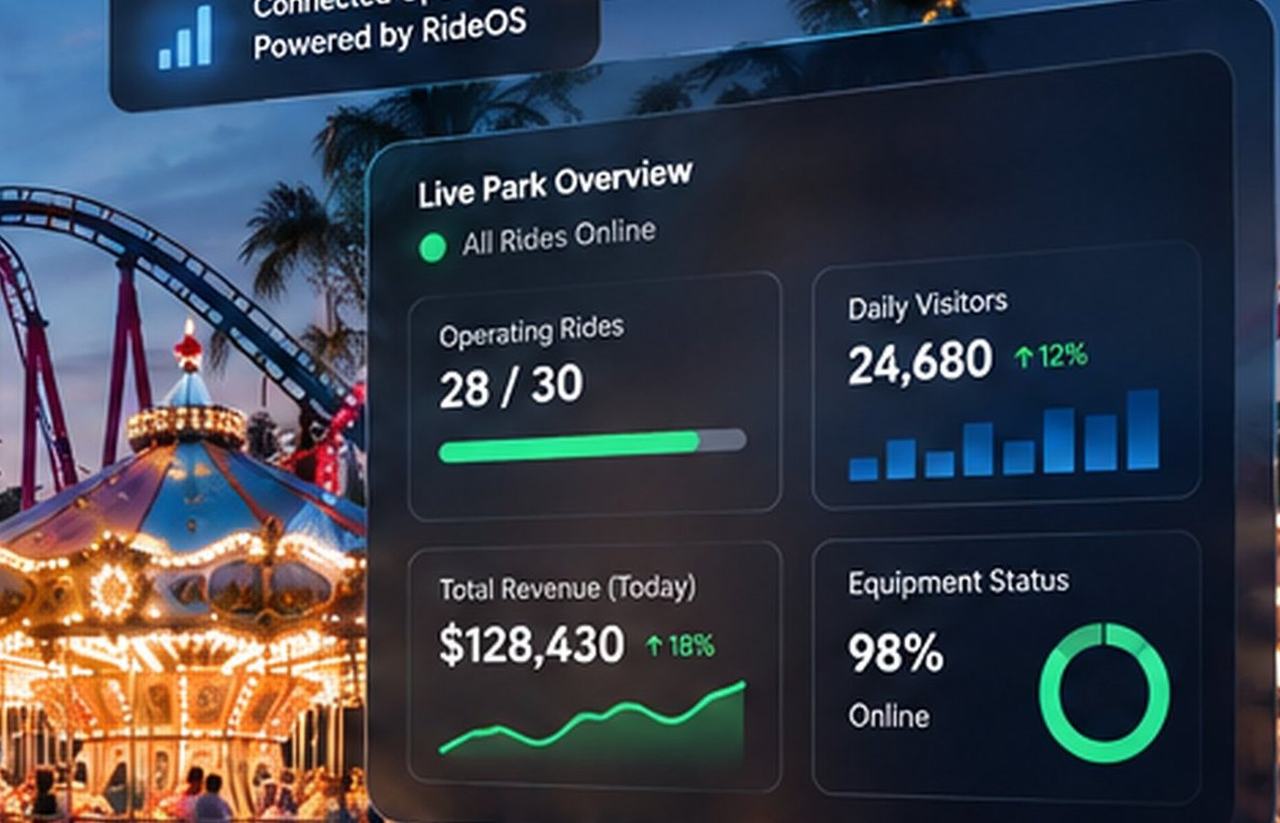
Clear photos, videos, controller alarms and device data can shorten fault diagnosis. Connected equipment can eventually provide more direct status and maintenance information through RideOS-compatible integrations.
Parts identification must be easy
A replacement part should be connected to the exact ride model and component version. The Parts Marketplace is intended to reduce repeated messaging for standard replacement items.
Escalation must be clear
Simple operator questions, replacement parts, electrical troubleshooting and engineering issues should not all follow the same support path. The site should make those routes explicit.
What to send us for an accurate answer
Need support or a replacement part?
Identify the exact equipment and component first so the support path starts with the right information.